

How to Check if Your Louis Vuitton Bag Is Genuine?
March 9, 2026
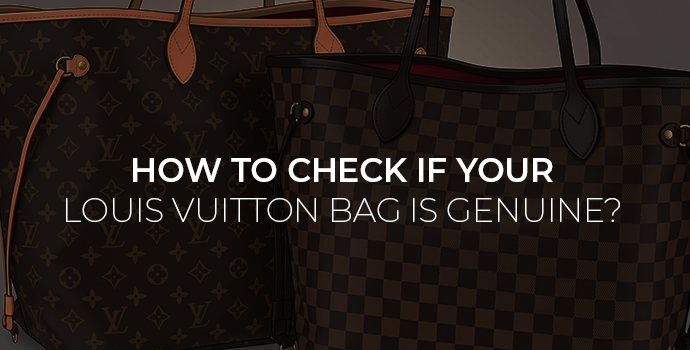
Fancy bags are not just things to carry— they show history, skill and long-lasting worth. Among the most known names in the fancy world, Louis Vuitton is unmatched. With a story that goes back over a hundred years, the brand is famous for its special pattern cloth, great work quality and classic styles. But this worldwide popularity also makes Louis Vuitton one of the most copied fancy brands around the globe. So knowing how to check if a Louis Vuitton bag is real has turned into an important skill for today’s buyers of luxury goods.
In today’s online shopping world, people more and more buy fancy bags through websites, second-hand sites and sellers from other countries. While this gives better access and lower prices it also raises the chance of meeting high-quality fakes that look a lot like real designs. A lot of fake bags now look real at first sight, making it hard for even skilled shoppers to spot mistakes without the right know-how.
Real Louis Vuitton bags stick to very strict quality and making rules. From picking materials and stitching well to placing logos and details on hardware, each part follows set brand guides. Even the tiniest mistake can show that a bag is not real. Knowing these facts helps buyers make smart choices, so they don’t lose money.
This guide is made to help you feel sure about knowing if your Louis Vuitton bag is real by explaining each step in a simple way. Whether you are buying a used bag, checking a new one or just wanting to learn how to save your money for the future, this full method will give you the know-how needed to check Louis Vuitton bags with trust and ease.
Why It’s Important to Verify If a Louis Vuitton Bag Is Genuine
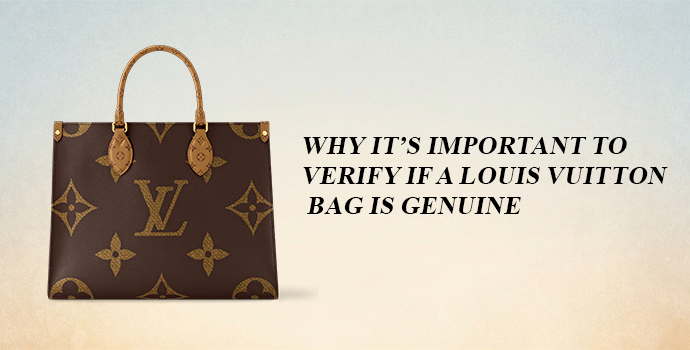
Checking if a Louis Vuitton bag is real is an important step for any luxury shopper, especially in today’s world and online market. Louis Vuitton bags are not just style pieces but also big money͏ investments, made with top-notch materials, expert craft and a rich history. Not properly confirming a bag’s authenticity can lead to cash loss, frustration and long-term value drop.
One big reason why checks are important is the rise of clever fakes. New copies often copy logos, shapes and boxes very well, which makes it hard to tell fake goods from real ones quickly. Without good checking, shoppers might spend high amounts on stuff that doesn’t have the quality, strength and value usually linked with Louis Vuitton.
Real Louis Vuitton bags are made to last many years when taken care of. Fake bags, in contrast, are built with low-quality stuff that wears out fast – breaking canvas, flaking bits and bad sewing are common problems. Checking if it’s real makes sure you get the skill and lasting quality that explain the brand’s high cost.
Checking if something is real also matters a lot for selling again and getting insurance. A sure true Louis Vuitton bag has way more value when you sell it again and is simpler to put on sale or get insured. Buyers and places want proof that a Louis Vuitton bag is real before finishing big money deals, making checking realness an important part of owning it.
At last, checking if something is real keeps the brand’s value and good buying habits safe. Fake items hurt true skill and help bad trade ways. By making sure your Louis Vuitton bag is real, you back smart luxury spending while taking care of your own money spent. In brief, checking for authenticity isn’t a choice— it is a key move toward feeling sure, wise and safe in owning luxury items.
Understanding Louis Vuitton Craftsmanship Standards

To check if a Louis Vuitton bag is real, it is key to know the brand’s strict craft rules. Louis Vuitton has made its name worldwide on exactness, strength and reliability— ideas that show in every bag made. These rules allow little space for mistakes, which is why even tiny differences can hint at fake-ness.
At the heart of Louis Vuitton work is material quality. The brand’s well-known coated canvas is made to be light, water-proof and very strong, much better than common͏ printed canvas. Leather parts, especially natural cowhide vachetta are not treated and meant to grow old naturally, getting a rich look over time. This planned change is a sign of realness and can’t be correctly copied by fake stuff.
Building exactness is another key rule. Real Louis Vuitton bags show panels that line up just right, patterns that are the same on both sides and strong spots for stress. Sewing looks neat, spaced out evenly and always the same often with equal stitches in matching areas. Loose threads uneven seams or odd spacing do not match true quality of making.
The quality of the hardware shows the brand’s care in making things. Zippers, hooks and studs are made just for this bag, they feel heavy and are done well to not fade or chip. The markings are clear and easy to read, never light or fuzzy. These little parts might look small but they matter a lot when checking if a Louis Vuitton bag is real.
At last, Louis Vuitton sticks to tight quality rules. Each bag goes through many checks before it leaves the workshop, making sure it matches clear brand needs. This kind of checking makes sure there is no change over collections and years of making.
Knowing these craft rules helps shoppers spot real items with more trust. When a bag matches Louis Vuitton’s quality of stuff, how it’s made and the little details, it really backs up the idea that the bag is true and deserves its fancy place.
Step 1: Examine the Materials Closely
Canvas Quality
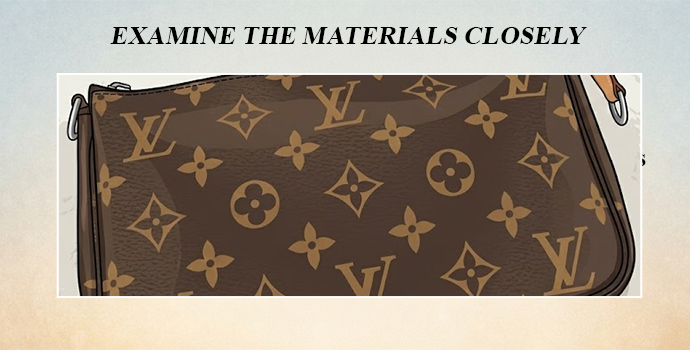
Louis Vuitton’s covered cloth is one of its most famous materials. Unlike cheap copies, real cloth feels:
- Thick yet flexible
- Smooth but not plasticky
- Durable and structured
The monogram design should not look fuzzy, dull or unclear. If the cloth feels weak, too bright or like rubber it is a sign that the claim about the Louis Vuitton bag being real might not be true.
Leather Trim (Vachetta or Treated Leather)
A lot of Louis Vuitton bags have real cow skin leather (vachetta), mostly on handles and edges.
Authentic vachetta leather:
- Is pale beige when new
- Develops a honey-brown patina over time
- Feels smooth but firm
Fake bags often use darkened leather or fake stuff that do not wear out like real ones— this is a quick sign the Louis Vuitton bag is real but this claim raises questions.
Step 2: Inspect the Stitching
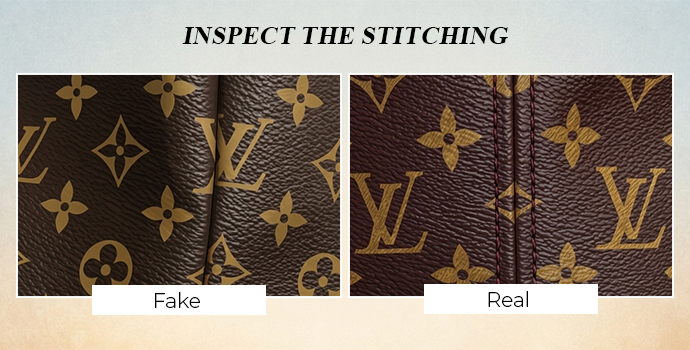
Sewing is one of the clearest signs of realness.
Authentic Louis Vuitton stitching:
- Is perfectly straight and even
- Uses thick, durable thread
- Has an equal number of stitches on symmetrical areas
Louis Vuitton never uses messy, loose or uneven stitching. If you see different stitch lengths or bent lines it is not likely that the Louis Vuitton bag is real.
Step 3: Check the Monogram Alignment
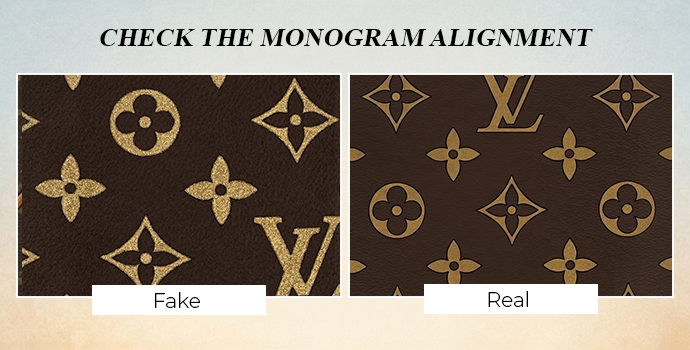
One of the most missed but key checks is where to put a monogram.
Key rules:
- Monogram patterns are symmetrical
- Logos are never cut off awkwardly (except in rare vintage designs)
- Bags made from one piece of canvas often have upside-down logos on one side— this is normal
Fake bags usually have uneven logos, wrong gaps or twisted signs. These things show that the claim saying the Louis Vuitton bag is real is not true.
Step 4: Evaluate the Hardware

Louis Vuitton parts are made just for them and are very good.
Authentic hardware features:
- Solid brass or gold-tone metal
- Weighty feel (never lightweight or hollow)
- Clean engravings with sharp lettering
Zippers must move easy, not get caught. If the parts break, flake or seem weak, the Louis Vuitton bag’s real claim looks unsure.
Step 5: Inspect Logos, Stamps and Fonts

Heat Stamps
In many Louis Vuitton bags, there is a hot mark that says:
“LOUIS VUITTON PARIS”
“Made in France / Spain / Italy / USA”
Authentic heat stamps:
- Use consistent font and spacing
- Are cleanly embossed, never printed
- Do not include “Made in China” (Louis Vuitton never manufactures there)
Wrong font thick, bad alignment or spelling mistakes are clear signs that the claim of a Louis Vuitton bag is real is wrong.
Step 6: Understand Date Codes (Not Serial Numbers)

Louis Vuitton bags made before 2021 have date codes, not serial numbers.
Key facts:
- Date codes indicate location and production date
- They follow specific letter-number formats
- Placement varies by bag model
The lack of a date code doesn’t always mean the bag is fake, new bags use microchips but wrong formatting often shows that the claim of Louis Vuitton bag is real is not true.
Step 7: Microchip Authentication (Newer Bags)
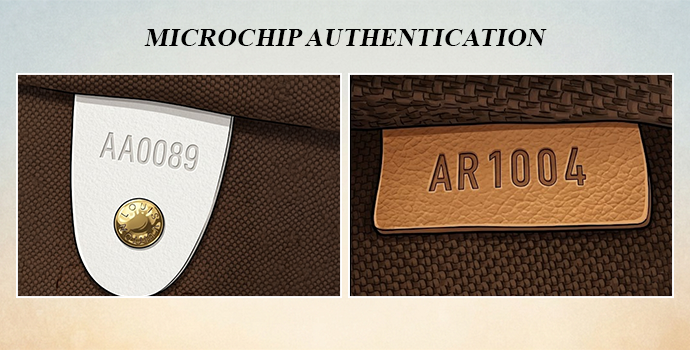
New Louis Vuitton bags (after 2021) hav͏e tiny chips inside of them.
Important points:
- Chips are scanned by Louis Vuitton boutiques only
- No visible serial number exists
- Third-party apps cannot fully authenticate chips
If a seller says there is a clear serial number on a new bag, the Louis Vuitton bag’s real claim should be doubted.
Step 8: Examine the Lining and Interior Details
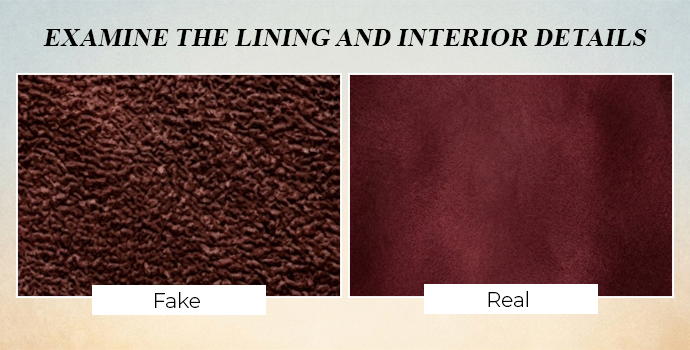
Louis Vuitton uses various inside materials based on the type of bag model.
Authentic linings:
- Are high-quality microfiber, textile or leather
- Feel soft yet durable
- Are perfectly stitched and aligned
Low-cost cloth, flaking insides or colors that don’t match often show that the claim of Louis Vuitton bag is real is wrong.
Step 9: Assess the Overall Shape and Structure
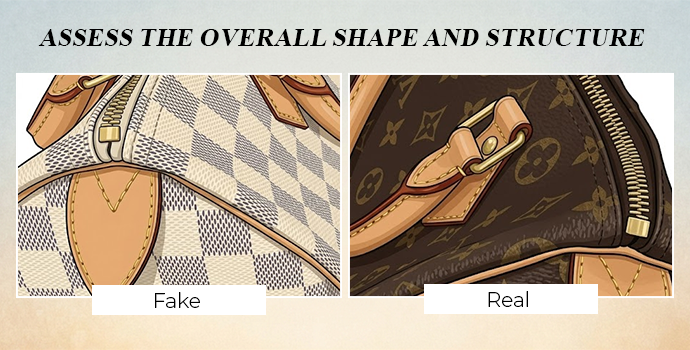
Real Louis Vuitton bags keep their form good.
Signs of authenticity:
- Structured silhouette
- No collapsing or sagging when empty
- Clean edges and reinforced corners
A bad build is a big sign that the claim of a Louis Vuitton bag is real does not stand.
Step 10: Packaging and Accessories (Secondary Check)
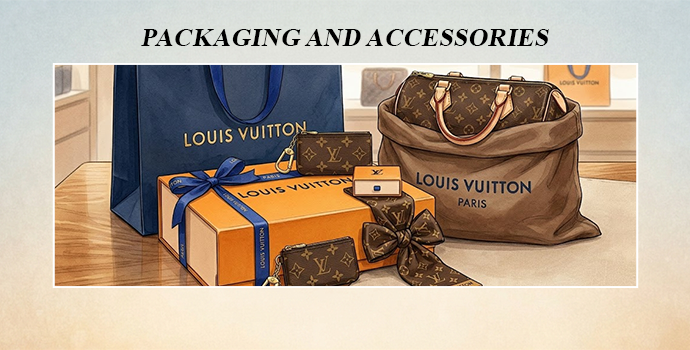
While the box alone does not show realness it can help.
Authentic packaging includes:
- High-quality dust bags with correct font
- Sturdy boxes with clean printing
- Branded ribbons and booklets
Keep in mind, the wrapping can be copied, so don’t trust it only to know if a Louis Vuitton bag is real.
Common Myths About Louis Vuitton Authentication
Even with more people knowing about luxury checks, some wrong ideas still trick buyers who want to know if a Louis Vuitton bag is real or not. These false beliefs often help fake sellers and can lead to expensive buying errors. Knowing and correcting these usual thoughts is important for making smart choices when buying luxury items.
A common belief is that a receipt guarantees realness. While an original slip can help show a bag’s past, it does not prove that the bag itself is real. Receipts can be faked, used again or matched with fake items. Checking if a bag is real should always look at the bag’s parts, skill in making it and how it was put together instead of just papers alone.
One more wrong belief is that higher costs mean real stuff. In truth, a lot of fake bags are priced near store prices to look real. A high cost does not prove that a Louis Vuitton bag is real, especially when bought from unofficial or untrustworthy sellers. Shoppers should check closely instead of just looking at the price.
Lots of buyers also think that every Louis Vuitton bag has a number. Louis Vuitton has not used normal numbers; older bags show date codes, while new styles have little chips inside. Sellers saying there are clear numbers on newer bags usually mean wrong info or fake items.
Another story is that small mistakes are okay in real bags. Louis Vuitton has tough rules for quality and big sewing problems, logos not lined up right or bad hardware aren’t traits of true items. While real leather can change over time, skill flaws aren’t normal.
At last, some shoppers think online pictures are enough for proof. Photos can be changed, edited or shown in a certain way. Looking at the item in person or getting an expert to check it is still the best way to make sure that a Louis Vuitton bag is real. By sorting truth from stories, buyers can look at fancy buys with clear minds, confidence and safety from fake risks.
Buying Pre-Owned: How to Protect Yourself
Buying a used fancy handbag can be a smart way to get classic styles at better prices. But, the second-hand market also has a bigger chance of fake items, so it’s important to take wise steps to make sure a Louis Vuitton bag is real before buying it. With careful checking and the right method, buyers can lower risks greatly.
The first thing is to pick a good source. Well-known resale sites, approved luxury sellers and allowed consignment shops often do their own checks and give buyer safety rules. Sta͏y away from sellers who don’t want to share clear details, show a few pictures or hurry the sale. Being open is a strong sign of trustworthiness.
Always ask for clear pictures of important signs of realness. These have the heat mark, date numbers or tiny chip place, sewing, metal carvings and inside material. Check these details with trusted examples from true Louis Vuitton styles. Differences in letters, space or work may show the bag is not real.
Pricing must be looked at closely. While used bags are usually cheaper than store prices, amounts that look very low for the state or style should make you worry. Fake sellers often use “too good to be true” costs to get buyers interested. A fair market price helps show that the Louis Vuitton bag is real.
Papers can help show that something is real, but they should not be the only thing to think about. Real bills, dust bags and boxes make it seem true but these things can also be copied. Their worth is in adding to looking at the item closely instead of taking its place.
At last, think about an expert check before finishing the buy, especially for big items. Expert check gives trust, guards your money and makes sure that your used Louis Vuitton buy brings the standard, history and worth the brand stands for.
When to Use Professional Authentication Services
While learning to spot key signs of truth is important, there are times when trusting expert checks is the safest way to make sure a Louis Vuitton bag is real. Expert checking services are really helpful when handling big buys or when looks alone don’t give full surety.
One of the usual times for checking if something is real is when getting a used or old Louis Vuitton bag. Bags found on resale sites, from single sellers, auctions or foreign markets often do not have clear brand checks. In these situations even if the bag looks real, subtle mismatches in materials stitching or hardware can be hard to see without an expert know how. Professional checkers are skilled at finding these details using special brand lists and lots of years in work.
Checking if bags are real is also very much advised for newer Louis Vuitton bags that use small chips instead of old date codes. Because these chips can’t be checked by other apps and need special tools or access to the brand, expert help fills the gap when store checks aren’t ready right away.
One more key use is resell or consignment. If you want to sell your bag again, having proof of realness from a pro can boost buyer trust and value when you sell it. It shows possible buyers that the Louis Vuitton bag is real, which cuts down on fights and speeds up the selling time. Expert checking is just as important when a bag is meant as a present or for long-term savings. Since Louis Vuitton bags have high prices, paying for checking is small next to the money and feelings lost from having a fake item.
In the end, professional checks give you calmness. When doubt is left after a personal look, an expert check makes sure you feel sure it gu͏ards your money and promises that the work and worth you are spending for truly belongs to Louis Vuitton.
Precision in Design and Pattern Engineering
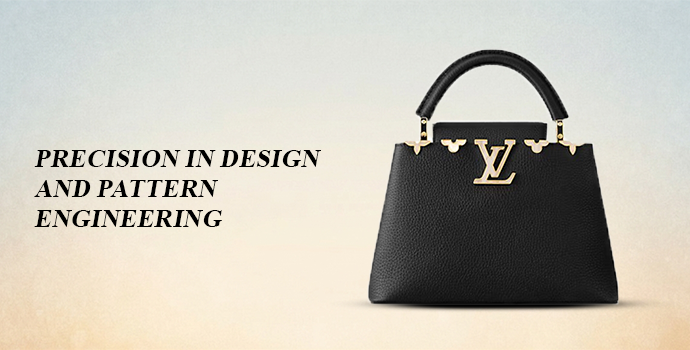
One of the most missed parts of Louis Vuitton making is the care in design planning and shape building. Every real bag is made using well thought out shapes that keep evenness, harmony and strong build. Whether it be a monogram canvas bag or a leather side bag each piece is cut with right sizes so that stitches match nicely and the bag stays in its true form as time goes on. This care is key to seeing if a Louis Vuitton bag is real since fake makers often have trouble copying such skills on a large scale.
A good example of this exactness can be seen in the putting of letters. Louis Vuitton uses long pieces of canvas when it can, so the monogram often goes on without breaks across seams and panels. In many real bags, the monogram might show up upside down on one side, this is meant to be and happens because a single piece of canvas is bent into shape. Fake bags, on the other hand, often have poorly cut logos, different symbols or wrong space between them due to bad pattern planning.
Just as important is edge finishing. Real Louis Vuitton bags have edges that are neatly folded, sealed and painted, smooth and even. With time, these edges may show some normal wear but they will not crack too much or peel when taken care of right. Poor copies often have uneven edge paint, rough finishes or early damage- clear signs that the bag does not match real craftsmanship standards.
The inside build also shows great skill in making things. Strong spots, solid bases and hidden sewing make sure it lasts even with daily use. These parts are not often seen when you first look at them but they matter a lot for how long it works well. When a bag feels safe, tough and good it truly supports the thought that a Louis Vuitton bag is real and made to last.
Quality Control, Consistency and Long-Term Durability
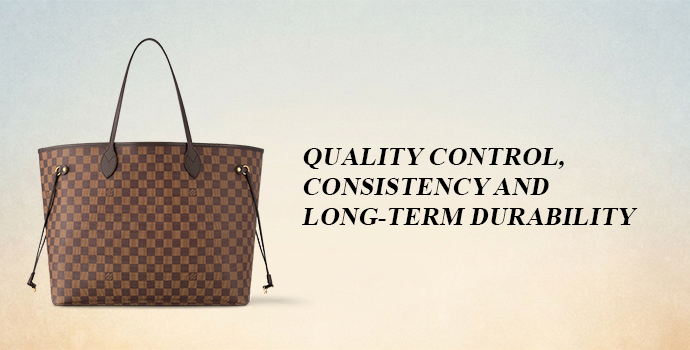
Another key part of Louis Vuitton’s skill is its strict quality check and sameness across lines and years. Each real bag goes through several checks while it’s made, making sure it fits the brand’s rules before it gets to the buyer. This tough way is why true Louis Vuitton bags show great consistency in sewing, metal parts places, logo stamping and whole look – no matter where or when the bag was made.
Being steady is very key when checking if something is real. Louis Vuitton does not use mixed-up letters, odd logo gaps or different making ways. Heat stamps, for one thing; stick to clear letter rules with exact space and tidy pressing. Changes like uneven titles, weak stamping or wrong wording are good signs that a Louis Vuitton bag’s true claim might be off.
Lasting quality is another sign of true skill. Louis Vuit͏ton bags are made for everyday use and lasting ownership. Coated cloth fights off water and scrapes, leather parts get better over time and metal bits keep their look even after lots of use. Real bags tend to keep their shape longer than fake ones, which often droop or lose form fast because of low-quality stuff and quick making.
This lasting performance helps with resale worth. Bags that keep their form, stitching strength and material good over time are much more likely to be proved real in the secondary market. Buyers and expert checkers depend a lot on these long-lasting signs when they check if a Louis Vuitton bag is real.
In the end, Louis Vuitton’s making rules are made not just to make fancy items, but to help with trust, sameness and long life. Knowing these thoughts helps buyers check truth with more trust and backs up why real Louis Vuitton bags are seen as long-lasting luxury buys instead of fast fashion finds.
Final Thoughts: How to Be Confident Your Louis Vuitton Bag Is Genuine
Making sure a Louis Vuitton bag is real goes more than just seeing a logo or having the receipt— it needs a clear understanding of the making, material and brand rules. Louis Vuitton’s name for care and sameness means each true bag shows great quality from its cloth and leather to its stitching hardware and inside finish. Knowing how to see these details helps buyers tell apart real luxury from even the best fakes.
As fake bags keep getting better, depending on one way to check is not enough. Instead, a full look— checking stuff like materials, build quality, logo placement, heat marks, date tags or tiny chips and the whole sh͏ape is really important. When these parts fit well together they show that a Louis Vuitton bag is real. But if there’s even one big mistake it should make you look closer.
For shoppers looking at the second-hand or used market, checking if items are real becomes really important. A true Louis Vuitton bag not just gives top-notch quality and lasts longer but also keeps its value well over time. Going the extra mile to check if it’s real guards both your money and your trust in being a luxury buyer. When unsure, expert checking services or brand proof through official stores give you more calmness.
In the end, knowing is your best shield in the fancy market. By learning how Louis Vuitton makes and finishes its bags, you help yourself make smarter buys and stay away from fake goods. Whether you are a new buyer or an expert collector, being able to check that your Louis Vuitton bag is real means your buy stays true, worth something and lasting; just like what the brand wants!
Quick Q&A: Louis Vuitton Bag Authenticity
Q1. Is a date code enough to confirm that a Louis Vuitton bag is genuine?
No. While time stamps can aid in finding the making time and place, they ought not to be used as the only way to check if it’s real. A Louis Vuitton bag is true only when lots of pieces, like the stuff, stitching, metal parts, logo and how it is made all fit with a brand’s rules.
Q2. Do all authentic Louis Vuitton bags have perfect monogram alignment?
Real Louis Vuitton bags have specific rules, but marks can be upside down or partly covered based on the style. This doesn’t mean it is fake! What matters is consistency, symmetry and intentional placement, which support the conclusion that the bag is genuine.
Q3. Should I authenticate a Louis Vuitton bag even if it was purchased from a trusted seller?
Yes. Even reputable sellers can occasionally make errors, especially in the pre-owned market. Professional or detailed self-authentication provides added assurance that a Louis Vuitton bag is genuine and protects both your investment and peace of mind.