

Top 10 Most Expensive Fabrics in the World
April 9, 2026
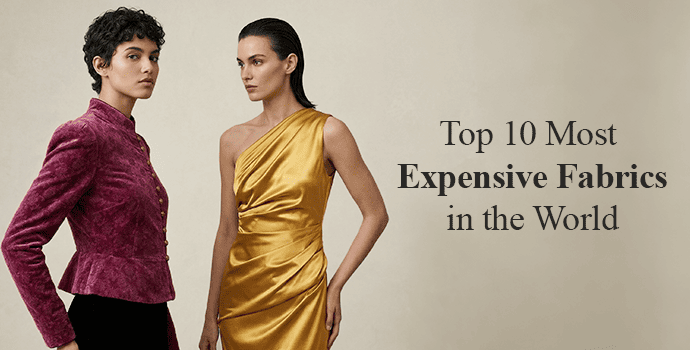
Richness in clothes often starts with the cloth itself. While style, making skills and name all matter a lot, the real heart of fancy clothing is in the materials used to make it. Some fabrics are so uncommon, fine and hard to make that they stand out as the most wanted and costly clothes in the world. These clothes are not only picked for their look but also for their great quality, special beginnings and the skill that goes into making them.
From very soft natural threads found from unusual animals to finely made cloth that takes weeks or even months to create, these materials show the top level of luxury. Their worth is often set by things like how rare they are, how hard they are to make and the skill needed to change raw stuff into finished cloth. In many cases, these materials are made by skilled makers which makes each item a piece of art instead of just useful material.
What makes costly clothes even more interesting is their strong link to the past and culture. Many of these fabrics have been used for many years by the royal and high-class groups, showing rank and class. Still today, they keep ruling fine dress and lavish style, setting the mark for grace and exclusivity.
In this blog we will look at the 10 costliest clothes’ fabric in the world discovering what makes each one special and why they ask for such high prices.
10 Costliest Cloth Fabric in the World
1. Vicuña Wool
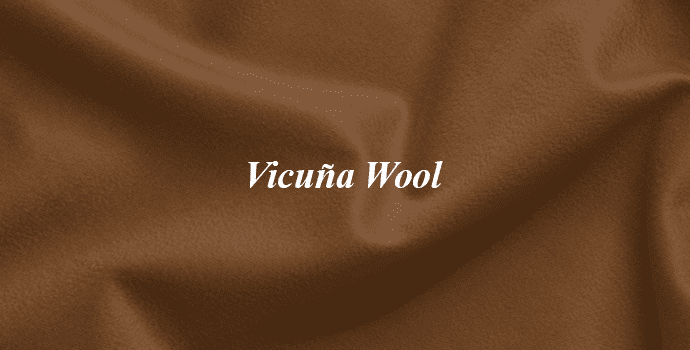
Vicuña wool is seen as the costliest cloth in the world. It comes from the vicuña, a rare animal found in the Andes Mountains. This wool is very soft, light and warm. What makes it so special is its small supply— vicuñas can only be sheared once every few years and the process is strictly controlled.
The threads ͏are thinner than cashmere, making the cloth feel smooth and fancy. Because of its scarcity and gentle care needs, vicuña wool clothes are usually sold for lots of money, turning it into a top sign of simple luxury.
2. Guanaco Wool
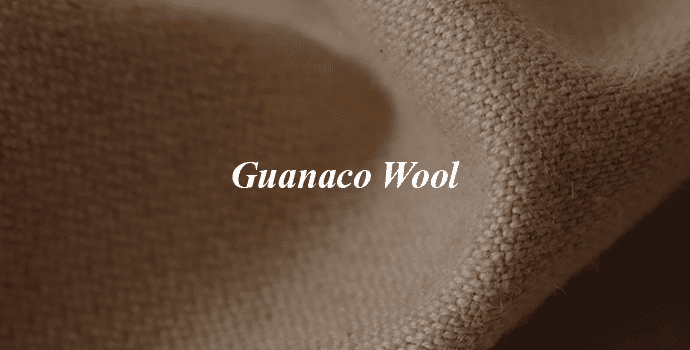
Near related to the vicuña, guanaco wool is another rare and nice fabric. It comes from guanaco, a wild creature found in South America. While little more common than vicuña it stays really rare and costly.
The cloth is known for its fluffiness, heat and strength. Its real warming traits make it great for fancy cold weather clothing. The limited making and fair means of extraction contributes to its high price among pricey materials.
3. Mulberry Silk
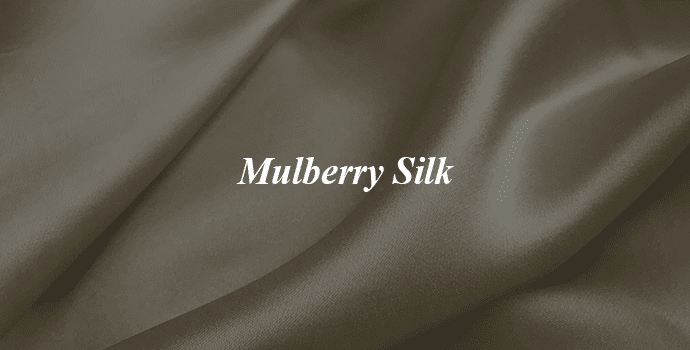
Mulberry silk is seen as the best kind of silk you can find. Made by silkworms that eat only mulberry leaves, this cloth is famous for its soft feel, shiny look and great strength.
The way of making it is very watched, keeping the sameness and good. Mulberry silk is often used for fancy clothes, beddings and things you wear, making it one of the most liked costly materials in the fashion field.
4. Cashmere
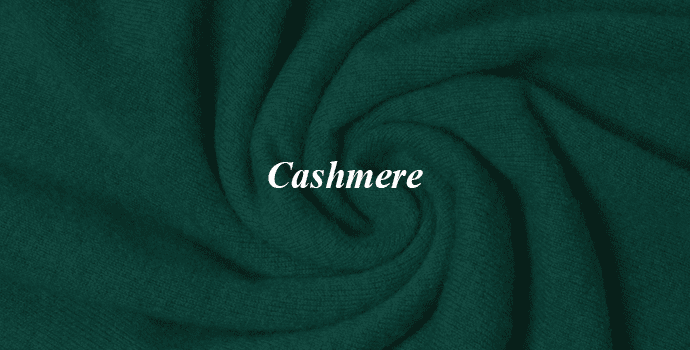
Cashmere is linked to rich and cozy. It comes from the soft hair of cashmere goats, this cloth is very smooth and light while giving great warmth.
Good cashmere is hard to find because each goat makes just a bit of useful hair every year. The best types, often taken from Mongolia and China, are really costly. Its lasting charm keeps it liked in fancy clothing.
5. Pashmina
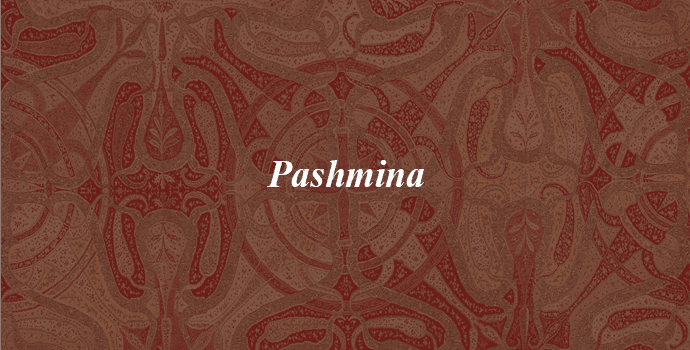
Often linked to grace and tradition, Pashmina is one of the best kinds of cashmere wool that comes from the Himalayan area. It is usually woven by hand which makes every piece special.
Real Pashmina is very soft and cozy with a fine feel th͏at makes it different from normal wool. The complex skill needed to make it adds to its worth, making it one of the most loved costly fabrics.
6. Silk Velvet
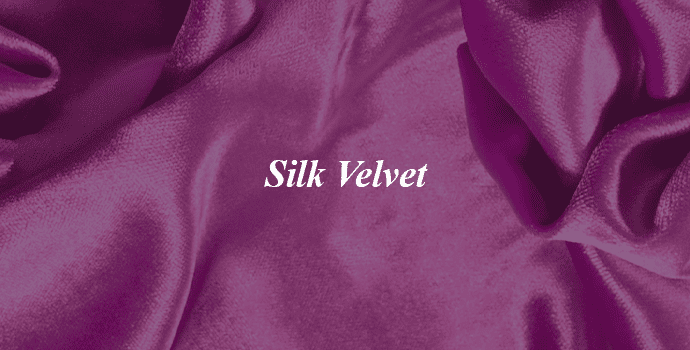
Silk soft fabric mixes the wealth of silk with the smooth feel of plush, making a cloth that shows lavishness. Its gentle, thick surface and shiny look make it popular for night clothes and fancy outfits.
Making silk velvet is hard and takes a long time, needing special looms and talented workers. This work-filled way of doing things adds much to its high cost.
7. Chiffon
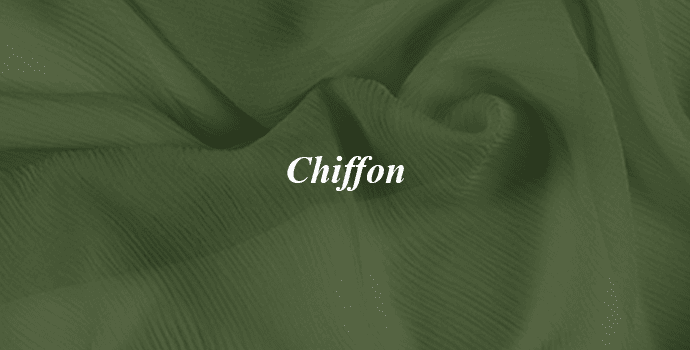
Chiffon, especially when it’s made of silk, is a light and thin cloth that hangs nicely. Its gentle traits make it a must-have in fancy dresses for evening events and weddings.
The cloth needs slow care while it is being made and sewn, which adds to its price. Its light look and many uses make it special among costly clothes.
8. Brocade
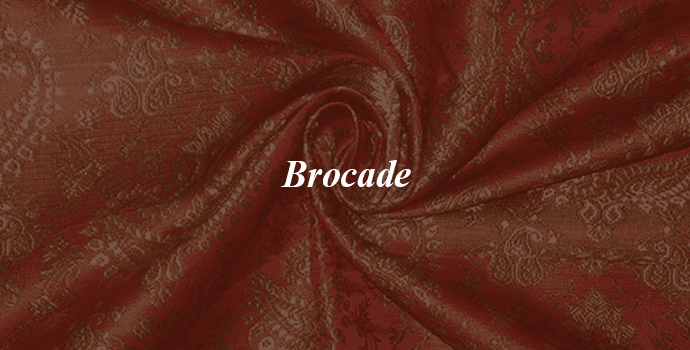
Brocade is a fancy cloth that is often made with gold or silver strings. It has been linked with kings and queens and it still shows wealth and greatness.
The detailed designs and use of shiny threads make brocade both pretty and costly. It is often used in fancy clothes, furniture covers and special wear for events.
9. Organza
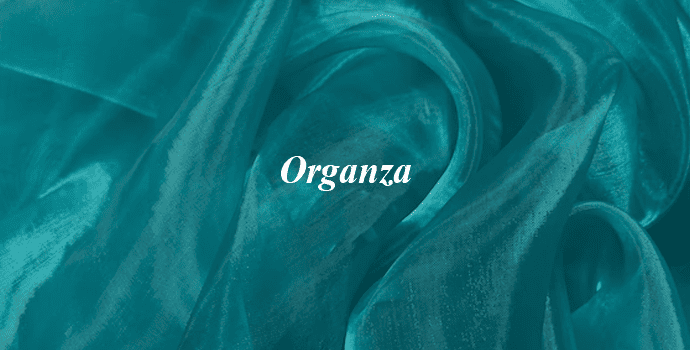
Organza is a thin, firm cloth that is often made from silk. It’s known for being clear and has a strong feel, it is used in fancy clothes for adding layers and making things look bigger.
The fine weaving way and the use of nice silk threads add to its high price. Organza’s power to make bold shapes makes it a pick for designers.
10. Qiviut
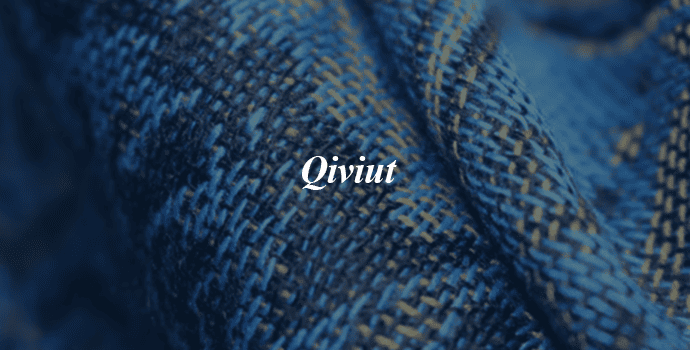
Qiviut is one of the rare and hot fibers in the world, obtained from the undercoat of musk ox. It is more soft than cashmere and does not shrink or feel like wool.
The small amount and hard work needed to get Qiviut make it very costly. Its great heat and fluffiness put it in the group of most costly clothes in the world.
What Makes Fabrics So Expensive?
The big cost of costly clothes is shaped by a mix of being rare, skill in making and how hard it is to create them. One key thing is where the basic materials come from. Many fancy fabrics come from uncommon natural fibers like vicuña, cashmere or silk which are either not easy to find or tricky to get. For example some animals give only a little bit of useful fiber each year making the stuff naturally scarce and precious.
One main thing is the hard work needed for making things. Lots of costly clothes are made by hand or need special skills that take a lot of time and know-how to do. Sometimes, workers spend weeks or even months making one piece of cloth. This high level of skill not only makes it better but also makes the stuff more unique.
The goodness and end of the cloth also has a big part. Fancy fabrics are known for their soft touch, steady thread work and long-lasting nature. New ways of making them, like nice coloring and finishing, make them look better and work well. These steps need care and skill which adds to the full price.
Also, background and brand worth can affect cost. Clothes with a strong past or those made by famous fabric makers often have higher tags because of their name and story. Small batches also raise wishes making these clothes more special.
In short, costly clothes are priced high since they show a mix of being rare, skill and top quality that make them different from usual stuff. Another big thing that adds to the price of costly cloth is the amount of new ideas and tools used in their making. While lots of fancy fabrics come from old skills, modern changes have made their quality and use even better. High-end fabric makers often put a lot into finding new ways to make materials that not just seem rich but also give added strength, comfort and use. For instance, some top-notch fabrics are made to be no-wrinkle, moisture-absorbing or tougher against damage all whilst keeping a soft touch. These tech upgrades need special m͏achines good workers and long tests all which raise the total cost of making it.
A key part that adds to the cost of pricey fabrics is the amount of new ideas and tech used in making them. While lots of fancy fabrics come from old ways, modern changes have made their quality and use better. Top fabric makers often spend a lot on research and development to make materials that not only seem rich but also give more lasting strength, ease and use. For instance some high-quality fabrics are treated to be wrinkle-free moisture resistant or tougher against damage all while keeping a soft and nice feel. These tech upgrades need special machines, skilled workers and much testing which all add up to overall making cost.
Keeping the planet healthy and good sourcing have also turned into big things that change ͏the cost of costly fabrics. Many fancy brands and cloth makers now care about responsible ways, like kind treatment of animals, safe coloring methods and fair pay for workers. These good choices often make these fabrics more expensive but also add worth by making sure that the fabric is made in a way that’s good for people and the earth. Buyers today know more about these things and are ready to spend more on goods that match their beliefs. So, this mix of new ideas, keeping it green and careful work helps explain why these fabrics cost so much in the market.
Are Expensive Fabrics Worth It?
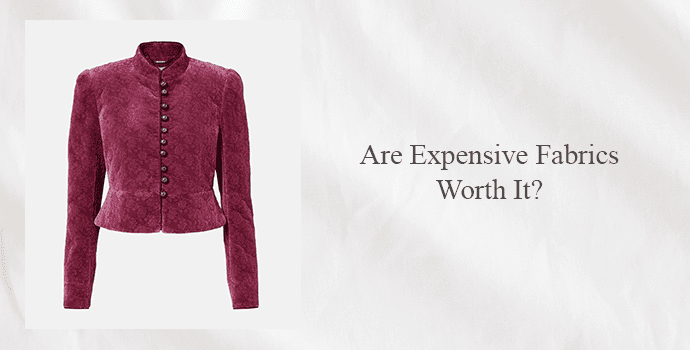
The worth of costly cloth really relies on what you value— goodness, how long it lasts, ease or being special. Even though the starting price of these clothes can be much more than usual stuff, they often give good points that make the spending worth it over time. One big plus is top-notch quality. Fancy fabrics are usually made from the best fibers and put together with careful skill, giving a smooth feel, nice flow and a look that’s hard to copy with less pricey options.
Sturdiness is another key thing. Good fabrics, when looked after right, usually last way longer than cheap materials. They keep their shape, color and feel even after many uses making them a better choice for the future. Rather than often getting new low-quality clothes an investment in costly fabrics can bring about a more select and lasting closet.
Cozy also has a big part. Soft fancy threads like silk, cashmere and fine wool are easy to breathe, smooth and kind on the skin making the whole wearing time better. This makes them very nice for people who care about both looks and comfy.
But, it’s key to think about ease. Some costly clothes need gentle look after and might not be good for daily use. The trick is to put money smartly. Pick things that fit with your way of living and wants. Lastly, costly clothes are good if you like skill, strength and classic beauty and are willing to look after them right.
How to Choose the Right Expensive Fabric
Picking the best costly clothes needs a careful look, as these things are not just pricey but also shape the whole style, touch and life of a dress. The first step is to know the aim of the fabric. Are you choosing it for daily use, special times or seasonal wear? For example light fabrics like silk or chiffon suit formal events well while warm choices like cashmere or wool fit cooler weather better.
Next, think about the worth and source of the cloth. Fancy fabrics can change based on where and how they are made. Look at things͏ like fiber thinness, cloth evenness and the whole look. Real costly clothes will have a fine feel, even build and a natural shine or softness that makes them different from lesser-quality choices. Strength and upkeep are also key parts. Some fancy clothes need gentle care, like dry clean or special store conditions. Before you buy, make sure you’re ready to look after the fabric right to keep its quality over time.
Hue and flexibility should not be missed. Plain shades and old patterns often are more useful, letting you use the cloth in many looks and events. But bold styles can show off a point but may have less usability.
At the end, match your pick with your own style and money. Spending on costly cloth should feel good, not too much. When picked smart, the best cloth makes not only the outfit better but also your whole feeling of fancy and ease.
Role of Exclusivity and Limited Production
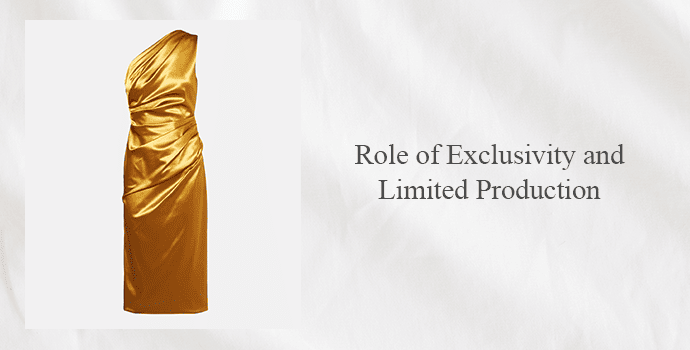
Being special is another big reason why costly clothes have such high costs. Unlike fabrics made in large amounts, many fancy materials are made in very small numbers which makes them more wanted. When a fabric is hard to find and not simple to get, it gets a feeling of importance that goes past its look. Creators and fashion companies often look for these special items to make unique pieces that catch the eye in the world of fine style. This limited amount makes sure that clothes made from such materials stay different and are not copied much.
In lots of cases, making these clothes is held back by the lack of raw stuff or the tricky ways needed. Some clothes can only be made in certain areas where workers have the right skills, which makes supply even smaller. Also, some fabrics are created in little amounts to keep high quality rules, making sure each piece is well-made. This close watch over production not only keeps the fabric’s worth but also boosts its specialness.
The idea of being special also connects to the feelings and dreams linked to having something uncommon. Buyers are often ready to spend on costly cloth since it shows their uniqueness and good style. Wearing or having clothes made from these materials gives a feeling of difference t͏hat regular fabrics do not provide, making being special an important reason for their high price.
Conclusion
The realm of costly cloth is a real mirror of wealth at its best, where scarcity, skill and tradition meet to form something special. These materials are not just stuff for apparel, they are signs of art, time and great talent. From the unmatched smoothness of vicuña wool to the complex designs of brocade and the pure grace of silk fabrics, every cloth tells a tale that goes much deeper than its look.
What makes these clothes really special is the work and care put into making them. Whether it’s getting fibers from uncommon animals, weaving soft threads by hand or keeping old ways alive, every part helps to make them one of a kind and worth more. This is͏ why clothes made from such stuff often feel different not just in comfort but also in how they feel overall. They give a feeling of class and style that is hard to copy with regular fabrics.
Though putting money in costly cloth might not be smart for daily wear, their lasting worth and classic charm should not be missed. These types of stuff are made to endure, both in strength and looks, turning them into a good pick for people who like quality instead of quantity. They lift even the plainest styles, making them into bold items that last a long time.
At last, knowing these clothes helps you to view style from a smarter and more grateful angle. It shows the need for choosing the right materials in making real luxury and reminds us that behind each fine outfit is a base of great fabric and skill.
FAQ
1. What is the most expensive fabric in the world?
Vicuña wool is often seen as the costliest cloth in the world because of its scarcity, very soft feel and the few times it can be taken from the animal.
2. Why are some fabrics so expensive?
Clothes get costly due to things like hard-to-find materials, lots of work needed to make them, not many being available and special quality or toughness.
3. Are expensive fabrics worth buying?
Yes, costly clothes can be good for their nice comfort, long life and rich touch, particularly when used for special times or fancy clothes.