

Dior vs Christian Dior: Are Dior & Christian Dior Different?
January 16, 2026
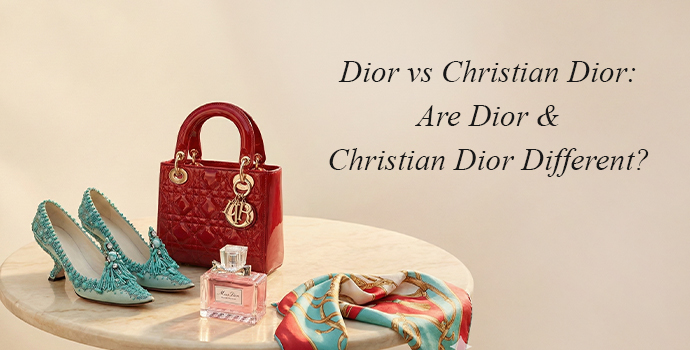
Fancy clothes are often full of history, meaning and past— parts that can sometimes mix up the borders between name and self. One of the most common questions from rich buyers and fashion lovers is what’s the difference between Dior and the Christian Dior. Are they two different names? Do they show other levels of quality or kinds of items? Or is it just about how names have changed over time? The never-ending wonder about Dior and Christian Dior comes from how both names keep showing up in style, beauty, scents, things you wear and even business p͏apers.
For folks who are new to the fancy stuff, seeing both names can be puzzling. You might spot “Dior” on runway shows, bags and shops while “Christian Dior” is on scent bottles, old clothes or formal brand papers. This mix-up often makes people think the two labels target different groups or show different levels in the same fashion firm. But really, the truth is more about history and how the brand has changed over time.
Knowing the difference between Dior and Christian Dior is important for smart luxury buys and valuing the brand’s real self. The title Christian Dior has great history, standing for the creative founder who changed fashion after the war with his new styles. At the same time, Dior shows what a modern big-name luxury brand it is— simple, current and easy to spot.
This guide looks at where the names come from, how they have changed over time and how people use them now. It clears up misunderstandings and shows how Dior and Christian Dior exist in the same well-known fashion house. Whether you are a regular buyer of fancy items, a student learning about fashion or just interested in one of the world’s biggest couture brands, this comparison will help you grasp what Dior means today.
The Origins of Christian Dior: A Fashion Legacy Begins
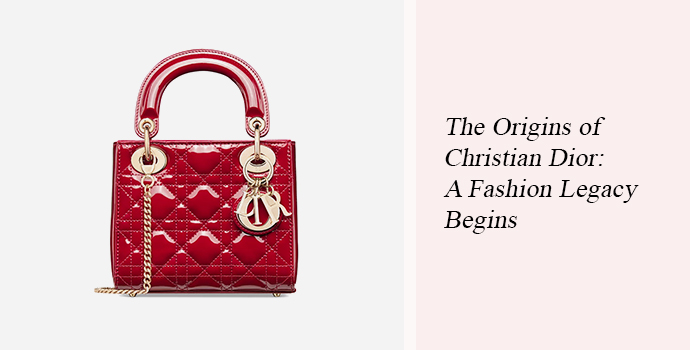
The tale starts in 1946, when Christian Dior, a French clothing maker, set up the House of Dior in Paris. Dior changed women’s style in 1947 with his first collection, known as the “New Look.” This collection brought back softness after war strictness, showing tight waists, big skirts and neat fitting.
At the time, the brand was called Maison Christian Dior, taking the founder’s name. Christian Dior himself managed clothing designs, scents and the start of the brand’s style. In its first years, Christian Dior was not just a label— it was a designer, it was a vision maker and the soul of a fashion house.
This base is key to get the Dior and Christian Dior talk, as the name “Christian Dior” shows the brand’s start, past and fancy fashion roots.
Dior: The Modern Brand Identity
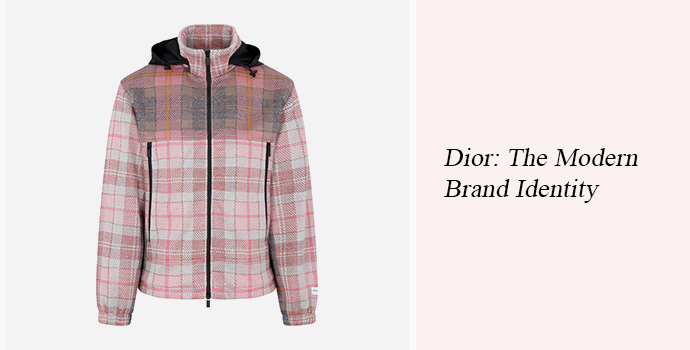
As time passed, the clothing brand grew, spread around the world and added many new items. As the name got bigger than fancy clothes and moved into stuff like everyday wear, things to use, beauty and life choices, it was slowly made simpler to just Dior for a fresh look.
Today, Dior is the primary brand name used across:
- Fashion shows and runway collections
- Handbags, shoes and accessories
- Beauty, skincare and cosmetics
- Marketing campaigns and retail boutiques
In short, Dior is the modern look of the brand- smooth, worldwide and easy to see. When buyers look for fancy bags, clothes or beauty products they are dealing with Dior even if the brand’s past is linked to Christian Dior.
Dior vs Christian Dior: Are They Actually Different Brands?
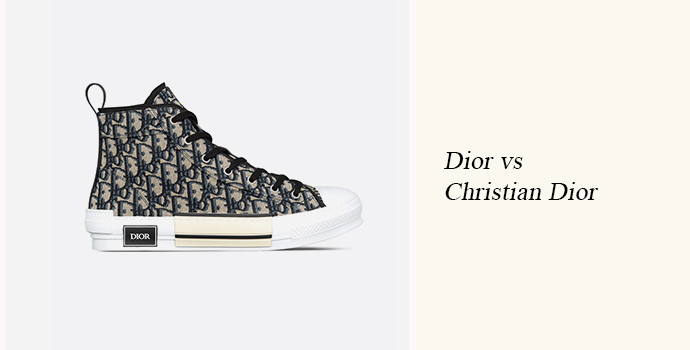
The quick and simple answer is no— Dior and Christian Dior ain’t different brands. They are from the same fancy clothing house. But, the names get used in various ways based on context, type and license.
- Christian Dior means the maker, past and official company name.
- Dior is the easy, new name used in clothes, looks and shops.
This difference is like other fancy brands that cut or change their creator’s name over time for worldwide fame. So when you look at Dior and Christian Dior, it’s better to see them as two forms of the same name, not as rivals or separate brands.
Why Does “Christian Dior” Still Appear on Products?
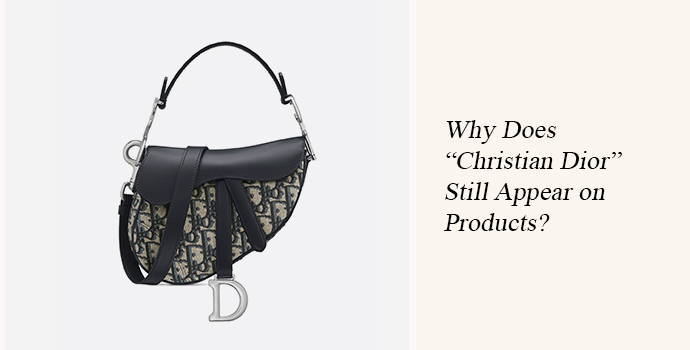
A lot of shoppers see that some things like scents, timepieces or old items are called Christian Dior and not just Dior. This makes the argument between Dior and Christian Dior even more unclear.
Here’s why the name still appears:
- Corporate and Legal Identity: The firm is called Christian Dior SE, the group that owns and runs the Dior name.
- Heritage and Prestige: Using “Christian Dior” shows the name’s past, mainly in areas linked to custom, like fancy dress and scents.
- Licensing and Manufacturing: Some items, like clocks, glasses or old scent lines use the full name Christian Dior because of rules about names or how they were called in the past.
Dior Fashion vs Christian Dior Fashion: Is There a Quality Difference?
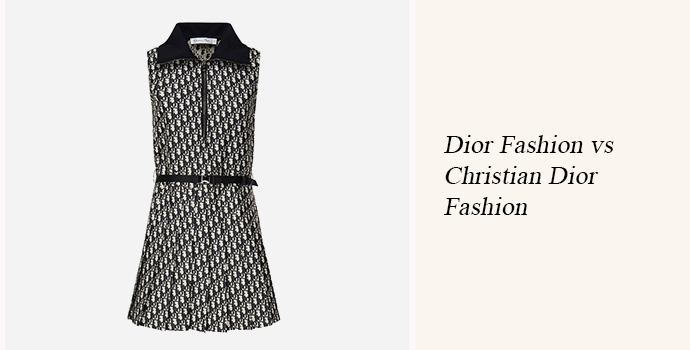
One usual question in the Dior vs Christian Dior talk is if items marked Christian Dior are not the same in quality as things called Dior. The reply is no! There is not a quality change just by what it is called.
All Dior clothes and things follow the same rules of skill, stuff and look, no matter if it says Dior or Christian Dior. Changes in quality often come from:
- Product category (couture vs ready-to-wear)
- Price point
- Year of production
- A partner that gives permission for things like watches or glasses.
The name alone does not show better or worse quality.
Dior Haute Couture and the Christian Dior Name
In fancy clothes, the mark of Christian Dior stays very important. Dress collections are closely linked to the founder’s first idea of form, grace and womanhood. While new leaders in design change Dior’s r͏ules, the heart of Christian Dior goes on through:
- Tailored silhouettes
- Architectural gowns
- Feminine yet powerful designs
Couture presentations often reference the founder explicitly, reinforcing the historical importance of the Christian Dior name within the house.
Dior Beauty and Fragrance: Where the Names Intersect
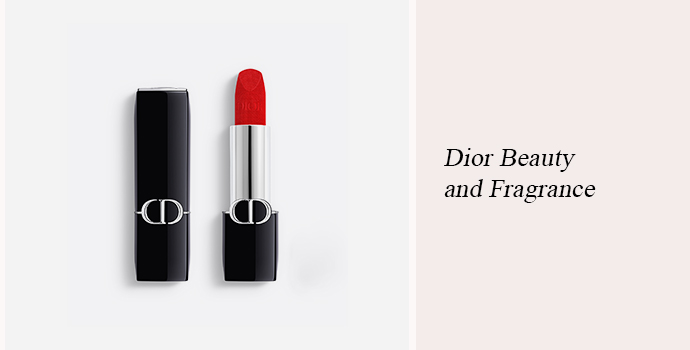
The looks and smell part is where the Dior and Christian Dior names mix the most and it can be quite puzzling for buyers. Well-known scents, skin creams and makeup are mostly sold under the Dior label, but many items still show Christian Dior in tiny letters on boxes or official papers. This does not mean there are different brands or qualities, but instead show͏s how the company’s legal history and branding work.
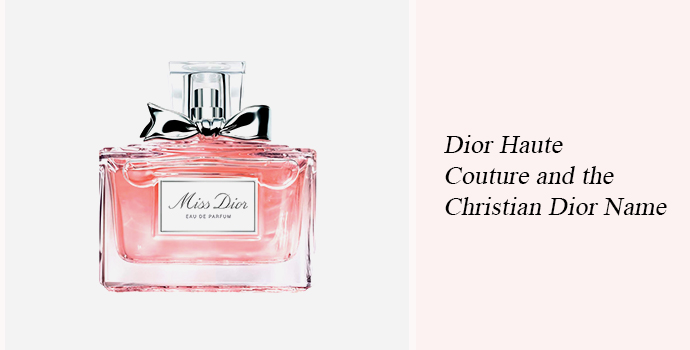
Formally, Dior’s beauty and scent work runs under Parfums Christian Dior, a part that keeps the founder’s memory alive while handling some of the brand’s best-known items. Famous smells like Miss Dior, J’adore and Sauvage are sold just as Dior for today’s look, while still being linked to Parfums Christian Dior. This two-name way keeps a link between history and modern branding.
In the pretty part, the same layout works. Dior makeup and skin care lines highlight new ideas, fancy mixtures and stylish looks under the Dior label, while Christian Dior shows up in rules or name rights spaces. For buyers this overlap doesn’t change how it is made, quality or fame. All Dior beauty and smell items stick to the same fancy rules, creative path and brand beliefs.
In the end, the living together of Dior and Christian Dior in beauty and smell makes the house’s special spot stronger— respecting its start while staying new, hopeful and important around the world.
Vintage Christian Dior vs Modern Dior
Old fancy buyers often see Christian Dior tags more than just Dior. Old clothes, things and jewels from past years usually have the full name of Christian Dior on them.
This doesn’t say old Christian Dior is more real than new Dior— both are true. But:
- Old Christian Dior items are often more sought-after.
- They carry historical significance
- They may reflect older craftsmanship techniques
New Dior, on the other hand, shows up-to-date luxury, change and today’s fashion styles.
Dior vs Christian Dior in the Resale Market
In selling again and fancy secondhand markets, both names are very wanted. But, listings often say “Christian Dior” for:
- Vintage items
- Archive pieces
- Older accessories or jewelry
At the same time, newer sets are often shown as Dior. Prices depend more on how rare they are, their state and need instead of the name used.
Who Owns Dior Today?
Today, the House of Dior works under one of the most strong luxury groups in the world, LVMH (Moët Hennessy Louis Vuitton). The ownership setup, however, is layered and closely linked to the brand’s past identity. At the top sits Christian Dior SE, a holding company that controls Dior’s fashion and store operations. Christian Dior SE itself is mostly owned by the Arnault family with Bernard Arnault-Chairman and CEO of LVMH-playing an important part in the brand’s global plan and growth.
This setup often makes the mix-up about Dior and Christian Dior harder. While LVMH runs Dior with other fancy brands like Louis Vuitton, Fendi and Givenchy; the Dior name keeps a clear business and creative look with Christian Dior SE. This lets the house keep its history but gain from LVMH’s world reach, money power and new ideas abilities.
With LVMH’s control, Dior has grown a lot in clothes, beauty, extra items and lifestyle areas. It still stays on top in high fashion. Creators, craftspeople and workshops keep the ideas set by Christian Dior alive, ensuring a link between the brand’s old roots and its new view.
In short, Dior is a separate clothing brand with a rich history and an important part of the LVMH luxury group. This mix has let Dior keep being creative, popular around the world and strong in business – while sticking to the story that started with Christian Dior himself.
Final Verdict: Dior vs Christian Dior — What’s the Real Difference?
When all the past, name and current use are thought about, the reply to the Dior vs Christian Dior question gets easy and comforting for luxury buyers: there is no split between the two. Dior and Christian Dior stand for the same well-known fashion place, joined by one design way of thinking, background and promise to greatness. The difference is not in quality or type but in how the brand’s identity has changed over time to meet the needs of the global luxury crowd.
The name Christian Dior is the base of the brand’s story. It stands ͏for the clever designer who changed fashion after war and made a home based on style, shape and womanhood. This name still holds great value in business identity, high fashion history and some product types where old ways and skill are focused. It also shows up often in old items and collections from the past; this strengthens how important the founder’s story really is.
On the other hand, Dior shows the new form of the brand— smooth, current and well-known around the world. It is the name seen most often on catwalk collections, everyday clothes, bags, beauty items and ads. The simple branding helps Dior stay important in a quick luxury world while still respecting its roots.
In the end, if a product says Dior or Christian Dior, it comes from the same famous fashion house and follows the same rules of style, quality and skill. For shoppers and collectors, knowing this difference clears up doubt and boosts enjoyment for the brand’s value. Dior is not different from Christian Dior— it is where it grew from, keeping a lasting legacy while still making an impact on luxury fashion ahead.